Community Education Programs
- Editorial
- 22 Aug, 2026
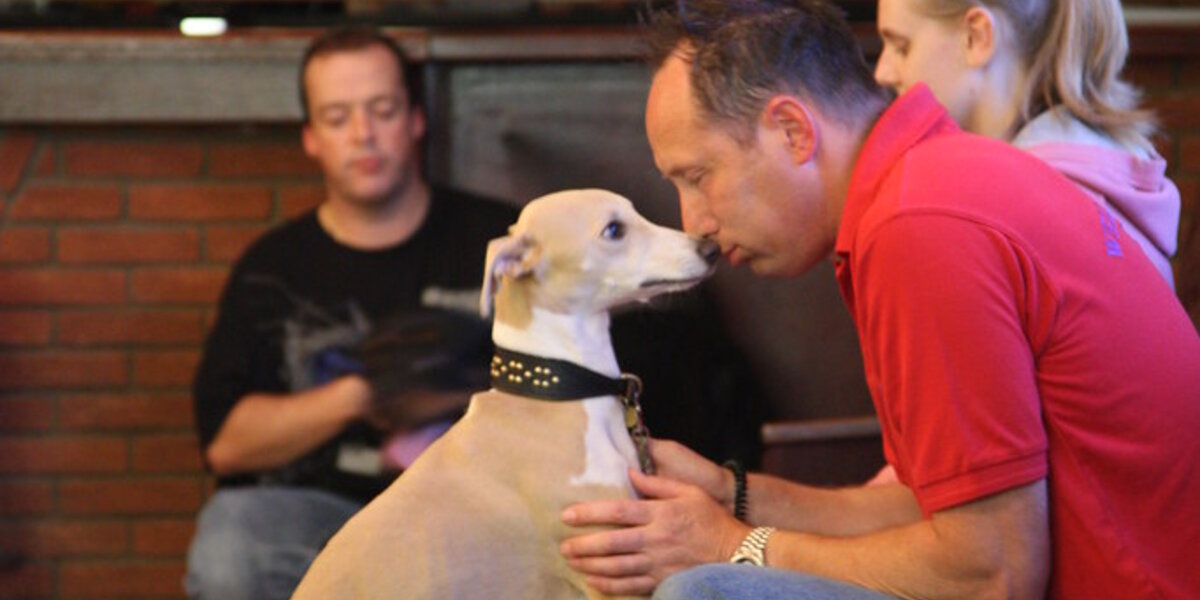
Community education is at the heart of Total Teamwork Training. We believe that informed owners create happier, healthier relationships with their dogs. Through our free community programs and events, we share practical knowledge, bust common myths, and help you see the world from your dog's perspective. Whether you're a new puppy parent or a seasoned dog lover, there's always something new to learn.
Bringing Home a Shelter Dog: The Foreign Exchange Student
Adopting a shelter dog is a wonderful act of compassion, but it often comes with unexpected challenges. Many people assume that a rescued dog will be grateful and instantly bond with their new family. In reality, a shelter dog is like a foreign exchange student arriving in a new country: the language, customs, and routines are all unfamiliar. The dog may be overwhelmed by new sights, sounds, and expectations.
To help your new companion adjust, start with a quiet, predictable environment. Give the dog a safe space, such as a crate or a quiet room, where they can retreat when feeling stressed. Establish a consistent daily routine for feeding, walking, and rest. Avoid overwhelming the dog with too many visitors or outings in the first few weeks. Patience is key—some dogs settle in quickly, while others take months to show their true personality. By understanding the “foreign exchange student” experience, you can ease the transition and build trust from day one.
I Bought a Trained Dog – Misconceptions and Misinterpretations
“I bought a trained dog” is a phrase we hear often, usually followed by frustration when the dog doesn't behave perfectly in the new home. The truth is, training is not a product you buy; it's a relationship you build. A dog that was trained by someone else may know certain cues in a specific context, but that doesn't mean the dog automatically understands your commands, your home, or your expectations.
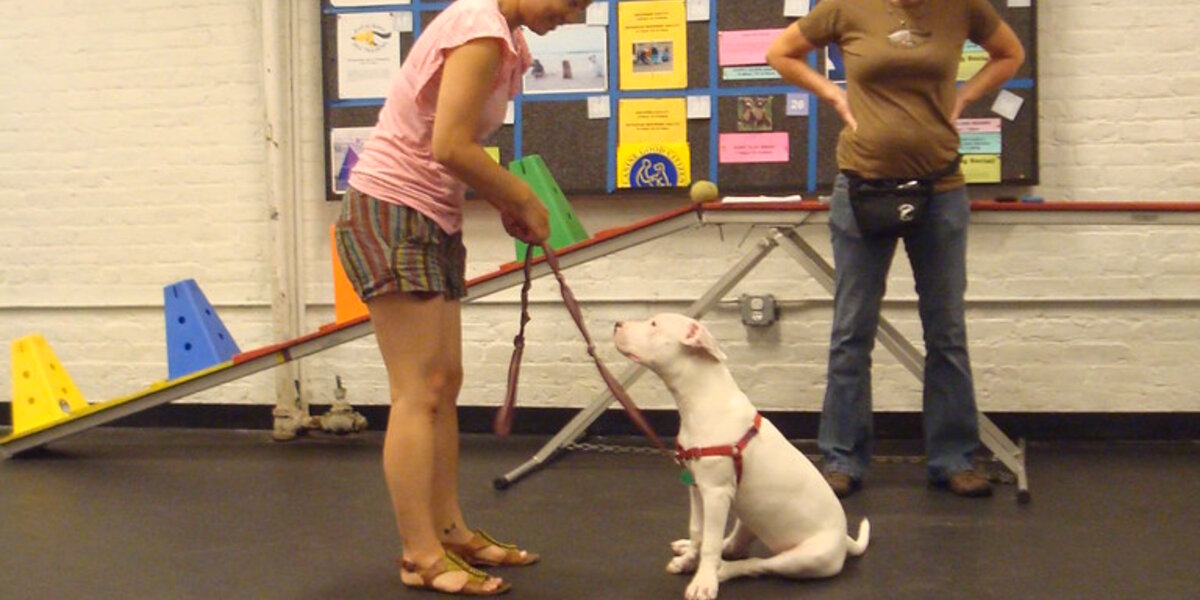
Dogs are contextual learners. A dog that sits perfectly at the trainer's facility may not sit in your kitchen when the doorbell rings. Training must be transferred and maintained by the new owner. This means learning the same cues, using consistent body language, and practicing in different environments. Instead of expecting a “finished” dog, view yourself as a partner in the dog's ongoing education. The bond you build through training is what makes the dog truly yours.
My Dog is Dominant – Labels Lead Us Nowhere
The word “dominant” is often used to describe dogs that jump, guard resources, or pull on the leash. But labeling a dog as dominant can be misleading and even harmful. Dominance is not a personality trait; it's a description of a relationship in a specific context. Most behaviors labeled as dominance are actually rooted in fear, anxiety, lack of training, or simple overexcitement.
When we label a dog as dominant, we may resort to harsh corrections or “alpha” techniques that damage trust and worsen behavior. Instead, we should ask: What is the dog trying to achieve? Is the dog jumping because it wants attention? Is it guarding food because it's afraid of losing it? By looking at the function of the behavior, we can address the underlying cause with positive, science-based methods. Labels lead us nowhere; understanding leads to solutions.
Show Me the Money – When Dogs Eat Strange Items
Dogs explore the world with their mouths, and sometimes that means swallowing things they shouldn't. Socks, rocks, toys, and even money can end up in a dog's stomach. This behavior, known as pica, can be dangerous and expensive. Why do dogs eat strange items? Sometimes it's boredom, sometimes it's anxiety, and sometimes it's a nutritional deficiency or medical issue.
Prevention is the first line of defense. Keep tempting items out of reach, provide plenty of appropriate chew toys, and ensure your dog gets enough physical and mental exercise. If your dog is a persistent eater of non-food items, consult your veterinarian to rule out medical causes. Training can also help: teach a solid “leave it” and “drop it” cue, and reward your dog for choosing appropriate toys. Remember, a dog that eats a sock may need surgery, so this is not a behavior to ignore.
How Clever is Your Dog? – Body Language Can Be Subtle
Dogs are masters of subtle communication. A flick of the ear, a slight turn of the head, a quick lip lick—these tiny signals can tell you a lot about how your dog is feeling. Unfortunately, many people miss these cues and only notice the more obvious signs like growling or barking. By the time a dog growls, it has likely been trying to communicate discomfort for a while.
Learning to read canine body language is like learning a new language. A wagging tail doesn't always mean a happy dog; the speed, height, and stiffness of the wag matter. A yawn can indicate stress, not just tiredness. A dog that looks away is often trying to avoid conflict. By paying attention to these subtle signals, you can respond to your dog's needs before problems escalate. Your dog is clever—are you clever enough to understand them?
Reaching Critical Mass – The Environmental Impact
Dog ownership has an environmental footprint that many people overlook. From the production of dog food to the disposal of waste, our canine companions consume resources and generate waste. The pet food industry relies heavily on meat production, which has significant environmental costs. Plastic poop bags, toys, and packaging add to landfill waste.
As responsible dog owners, we can make choices that reduce our impact. Consider buying dog food made from sustainable ingredients or in recyclable packaging. Use biodegradable waste bags and dispose of them properly. Choose durable, eco-friendly toys instead of cheap plastic ones that break quickly. Even small changes, multiplied by millions of dog owners, can make a difference. Our dogs depend on a healthy planet, so let's do our part.
Walking in a Winter Wonderland – Proper Care in Sub-Zero Temperatures
Winter can be a magical time for dogs, but it also brings unique challenges. Sub-zero temperatures, ice, and snow can be dangerous if we're not prepared. Some breeds, like huskies and malamutes, are built for cold weather, but short-haired or small dogs may need extra protection. Frostbite on ears, paws, and tails is a real risk, and ice-melting chemicals can burn paw pads.
To keep your dog safe in winter, limit outdoor time in extreme cold, and consider a dog coat or booties for short-haired breeds. Wipe your dog's paws after walks to remove ice and chemicals. Watch for signs of discomfort: shivering, lifting paws, or whining. Provide a warm, draft-free place to rest indoors. And don't forget that winter walks can be shorter but more frequent, with indoor enrichment to keep your dog mentally stimulated.
“We love what we do and wish success for each of our clients and their chosen pets. Contact us today for your FREE phone consultation!”
Can’t We All Just Get Along? – Relationship and Communication
Living with dogs is all about relationships—between dogs and humans, and between dogs themselves. Miscommunication is the root of many conflicts. A dog that barks at another dog on a walk may not be aggressive; it may be frustrated or fearful. A dog that growls at a child may be trying to say, “I need space.” Understanding these messages can prevent bites and build harmony.
Effective communication with your dog means being clear and consistent. Use the same cues for the same behaviors, and reward what you want to see more of. Pay attention to your own body language—dogs read us better than we read them. If you have multiple dogs, manage their interactions and provide separate resources to avoid competition. With patience and empathy, everyone can get along.
Meet and Greet – You Are the Advocate and Coach
When your dog meets new people or dogs, you are their advocate and coach. Too often, we force our dogs into uncomfortable social situations because we don't want to seem rude. But a dog that is forced to greet a stranger when it's scared may learn that aggression is the only way to create distance. As the human, you have the power to set boundaries and protect your dog's emotional well-being.
Teach your dog that you will handle social situations. If your dog is uncomfortable, step in and create space. Use positive reinforcement to reward calm behavior around new people and dogs. Practice polite greetings on leash, and don't be afraid to say “no” to someone who wants to pet your dog without asking. Your dog will trust you more when they know you have their back.
Christmas Traditions in a Dog and Cat Household – Tails from the Past
The holiday season is a time of joy, but it can also be stressful for pets. Christmas trees, ornaments, tinsel, and holiday foods all pose risks. Cats may climb the tree or chew on lights, while dogs may eat ornaments or steal food from the table. Chocolate, raisins, and certain nuts are toxic to dogs and cats, and even a small amount can be dangerous.
To keep the holidays safe, secure your tree so it can't tip over, and place breakable ornaments high up. Keep toxic foods out of reach, and remind guests not to feed your pets table scraps. Provide a quiet retreat for your pets when the house is full of visitors. With a little planning, you can enjoy the holidays without a trip to the emergency vet.
Winter Games – Ideas to Keep Active in the Winter Months
When the weather is cold and snowy, it's tempting to stay inside and hibernate. But dogs still need exercise and mental stimulation, even in winter. There are plenty of fun indoor and outdoor activities to keep your dog active. Indoor games like hide-and-seek, tug, and puzzle toys can burn energy without braving the cold. You can also set up a mini agility course in your living room using household items.
If your dog enjoys the snow, take advantage of it. Snowshoeing, skijoring, or simply playing fetch in the snow can be a great workout. Just be mindful of the temperature and your dog's tolerance. After outdoor play, dry your dog off and check paws for ice balls. Winter can be a wonderful time to bond with your dog through play.
My Favorite Play List – More Ideas for Winter Activities
Every dog has a favorite way to play. Some love to chase, some love to tug, and some love to sniff. In winter, you can tailor activities to your dog's preferences. For the chaser, a flirt pole or a game of indoor fetch with a soft toy works well. For the tugger, a sturdy rope toy provides great exercise. For the sniffer, hide treats around the house and let your dog use their nose to find them.
You can also teach new tricks during the winter months. Training sessions are mentally tiring and can be done in short bursts throughout the day. Teach your dog to put toys away, roll over, or even do a “paw” high-five. The key is to keep it fun and positive. A tired dog is a happy dog, no matter the season.
What’s Behind Door Number Two – Managing Doorways and Multiple Dogs
Doorways can be a source of chaos in a multi-dog household. Dogs may rush the door, bark at visitors, or compete to be first outside. This can lead to fights and injuries. Managing doorways is about teaching impulse control and creating a calm routine. Start by teaching each dog to wait at the door until released. Use a leash or a gate if necessary.
Practice with one dog at a time, then gradually add the others. Reward calm waiting with treats and praise. When guests arrive, have your dogs on leash or in a separate room until they are calm. Over time, your dogs will learn that doorways are not a free-for-all. Consistency is key—every family member must follow the same rules.
The Fun Police – Why the Dog Won’t Come When Called
“My dog won't come when called” is one of the most common complaints we hear. Often, the problem is that we have accidentally become the “fun police.” If every time you call your dog, it means the fun is over—leash goes on, you go inside, or you get a bath—the dog learns that coming to you is a bad deal. Why would they come when they're having a great time sniffing or playing?
To fix this, make coming to you the best thing ever. Call your dog, then reward with high-value treats, praise, and play. Practice in low-distraction environments first, then gradually add distractions. Never punish your dog for coming, even if it took a while. The recall cue should always predict something wonderful. Change your dog's association, and you'll change their behavior.
Stop Jumping on Me – Training for Consistency
Jumping up is a natural greeting behavior for dogs, but it's not acceptable for most humans. The key to stopping jumping is consistency. Everyone in the household must follow the same rule: no attention when four paws are off the floor. If one person allows jumping and another doesn't, the dog will be confused and the behavior will persist.
When your dog jumps, turn your back and ignore them until all four paws are on the ground. Then reward with attention and treats. Teach an alternative behavior, such as sitting to greet. Practice with visitors and family members. With patience and consistency, your dog will learn that sitting gets attention, and jumping gets nothing.
Unchain My Heart – Leaving a Dog Tied Out
Leaving a dog tied out in the yard may seem harmless, but it can lead to serious problems. Tied dogs often become frustrated, bored, and territorial. They may bark excessively, dig, or even become aggressive. A dog on a chain cannot escape from threats, which can cause fear-based aggression. In many places, tethering is restricted or banned for animal welfare reasons.
Instead of tying your dog out, provide a secure fenced yard or supervise outdoor time. If you must tether temporarily, use a long line and never leave the dog unattended. Provide plenty of exercise and mental stimulation so your dog doesn't feel the need to escape. A dog that is part of the family, inside and out, is a happier and safer dog.
Pet Peeves – Top 10 Things That Humans Do to Annoy Dogs
We love our dogs, but sometimes we do things that drive them crazy. Here are the top 10 human behaviors that annoy dogs:
- Hugging them tightly (most dogs tolerate but don't enjoy hugs)
- Staring directly into their eyes (can be seen as a threat)
- Patting them on the head (most dogs prefer chest or side scratches)
- Waking them up suddenly (dogs need their sleep)
- Dressing them in uncomfortable costumes
- Using a loud, high-pitched baby voice constantly
- Pulling on the leash instead of teaching loose-leash walking
- Ignoring their body language signals
- Forcing them into social situations they dislike
- Not providing enough mental stimulation
By avoiding these pet peeves, you can improve your relationship and reduce stress for both you and your dog.
Bars and Graphs – Consistency in Training and Expectations
Training is like building a graph: every interaction is a data point. If your expectations are inconsistent—sometimes you allow the dog on the couch, sometimes you don't—the graph looks like a chaotic scatter plot. The dog can't predict what will happen, which leads to confusion and stress. Consistency means the same behavior always gets the same consequence.
Set clear rules and make sure everyone in the household follows them. If the dog is not allowed on the furniture, that rule applies every time, no exceptions. Use the same cues and hand signals. Keep training sessions short and positive. When you are consistent, your dog learns faster and feels more secure.
Consistency and Clarity Count – Same Expectations, Same Signals
Dogs thrive on clarity. They don't understand “sometimes” or “maybe.” If you use different words for the same command—“down” one day, “off” the next—your dog will be confused. Choose one cue for each behavior and stick with it. Make sure your body language matches your verbal cue. If you say “stay” but lean forward, your dog may think you're inviting them to come.
Clarity also means being fair. Don't expect your dog to know a behavior they haven't been taught. Break training into small steps and reward progress. If your dog makes a mistake, ask yourself: Was my cue clear? Was the environment too distracting? By focusing on consistency and clarity, you set your dog up for success.
Total Teamwork Training is dedicated to helping you and your dog build a strong, positive relationship. Our community education programs are just one way we give back. If you have questions or want personalized help, we invite you to learn more about About Total Teamwork Training. Together, we can create a better life for dogs and their people.